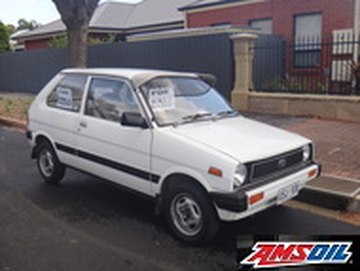
Maintaining Lubrication Standards for the 1982 Subaru 2-DOOR 1.8L
Proper engine care for a vehicle of this era requires a focus on consistent monitoring and adherence to specific fluid requirements. For owners of the 1982 Subaru 2-DOOR equipped with the 1.8L EA81 engine, maintaining the lubrication system is a fundamental aspect of long-term mechanical health. Because older engines operate under different wear profiles than modern counterparts, understanding how to inspect and replenish vital fluids is essential for preventing unnecessary complications.Monitoring Fluid Integrity and Condition
A proactive approach to maintenance involves more than just changing oil at set intervals; it requires regular observation of the lubricant's physical state. When checking the engine oil, pay close attention to its color and texture. While oil naturally darkens over time due to use, an extremely thick or gritty consistency can indicate that the lubricant is breaking down or that contaminants are present. If you notice any significant changes in how the oil behaves, it warrants a closer investigation. For instance, if the oil appears milky or has a frothy texture, this may indicate that another fluid has entered the lubrication system. Conversely, an unusually thin consistency might suggest fuel dilution. Observing these subtle changes during routine checks can help identify potential issues before they escalate into more significant mechanical concerns.Observing Potential Warning Signs
While many engine issues develop gradually, certain symptoms serve as important indicators that the lubrication system requires immediate attention. One of the most direct signs is visible fluid leakage around the engine block or on the ground beneath the vehicle. If you observe fresh oil spots, it is important to inspect the area for any signs of seepage from gaskets or seals. Beyond external leaks, changes in how the engine operates can also be telling. Unusual mechanical noises that coincide with engine startup or during operation should never be ignored. While sounds can stem from various sources, a change in the acoustic profile of the engine may be associated with lubrication levels or quality. Additionally, if you notice any unusual exhaust smoke, this is a signal to investigate the engine's internal condition and oil consumption levels. Because symptoms like these can have multiple underlying causes, they should be treated as prompts for a thorough professional inspection rather than definitive diagnoses.Prioritizing Maintenance Through Condition-Based Inspection
As vehicles age, the most effective way to manage maintenance is to prioritize tasks based on the actual current condition of the components rather than relying solely on the age of the vehicle. For a 1982 Subaru, this means looking at the evidence provided by the machine itself. If you are stepping into ownership without a complete service history, your first priority should be establishing a maintenance baseline. This process involves:- Reviewing any available service records to understand what has been performed in the past.
- Conducting a thorough visual inspection of all accessible engine components, including hoses and belts if they are present.
- Checking for evidence of previous neglect, such as heavy sludge buildup or signs of improper fluid use.
- Addressing any active leaks or visible warning signs immediately to prevent further wear.
Managing Aging Components and Seals
With a vehicle from the early 1980s, certain materials are naturally subject to the effects of time and thermal cycling. It is wise to inspect gaskets and seals for signs of age-related seepage or leakage. While it is not a guarantee that every seal will fail, older rubber and composite materials can lose their ability to maintain a tight bond over several decades. When performing routine inspections, look closely at the areas where major engine components meet. If you find evidence of slow seepage, it may be beneficial to monitor the frequency of that seepage to determine if it requires a repair or simply more frequent fluid level checks. Furthermore, if the vehicle is equipped with various belts or hoses, inspect them for signs of cracking, glazing, fraying, or other forms of deterioration. Maintaining these peripheral components helps ensure that the engine operates within its intended parameters and prevents secondary issues caused by component failure.The Role of Consistent Lubrication in Engine Longevity
The primary function of engine oil is to provide a protective barrier between moving internal parts. This lubrication is vital for reducing friction and managing the intense heat generated during the combustion process. In an engine like the EA81, maintaining the correct quality of lubricant helps ensure that these functions are performed effectively throughout the entire operating range. Effective lubrication also assists in controlling the buildup of deposits. Over time, the chemical breakdown of oil can lead to the formation of sludge, which can interfere with the movement of internal components. Using a high-quality lubricant that is appropriate for the application helps mitigate this risk. Furthermore, some high-mileage oil formulations contain additives intended for use in aging engines, including seal-conditioning additives that may assist in maintaining the integrity of older gaskets.Practical Guidance for Buying Engine Oil for your 1982 Subaru 2-DOOR 1.8L
When it is time to replenish your engine's lubricant, accuracy in selection is paramount. You must match the engine oil to the application-specific viscosity information shown on this page. Do not rely on general automotive knowledge or assumptions based on the vehicle's age to determine which grade of oil to use. Before making a purchase, follow these practical steps:- Verify that the oil you are buying matches the specific viscosity requirements listed in the application information provided above.
- Check the product labeling to ensure it meets the appropriate API certification for your needs.
- Consider whether a conventional, synthetic blend, or full synthetic formulation is most suitable based on the specific guidance provided in this application's data.
- If you are managing an engine with higher mileage, you may look into high-mileage formulations, but always ensure they still comply with the required viscosity.